
 Hỗ Trợ Chat Ngay


 Hỗ Trợ 24/7
Post Office Line Oink Oink Oink Slot Bureaucratic Delay throughout UK
- Corgibet Casino : clarifier la vérification d’identité avant le premier retrait
- Libérer l’Excitation du Gaming en Ligne avec HugoBets
- Libérer l’Excitation du Gaming en Ligne avec HugoBets
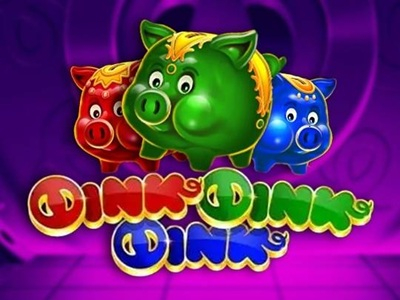
Anyone who’s stood in a British Post Office line will understand a certain modern ritual. You linger, holding a package or a paper, and your hand drifts to your phone. Before you know it, you’re not staring at a queue number but at a screen full of cartoon pigs and rotating reels. The expression “Post Office line Oink Oink Oink slot oink oink oink government wait” encapsulates this exact time. It’s where the slow pace of bureaucratic work collides into the instant thrill of online games. This article looks at that collision. We’ll go through the facts of service delays, the appeal of slot machines like Oink Oink Oink, and what occurs when people use one to escape the other.
The Fact of the Post Office Line in Today’s Britain
The Post Office waiting line is a fact of life for millions. It’s where you go to send a birthday gift, renew a car tax disc, withdraw a cheque, or provide a passport photo. In various towns, with banks long gone, it’s the only place left for these direct transactions. The sight is well-known. A queue of people, each bearing a assorted small crisis, shuffling forward every few minutes. Wait times can eat up an hour or more, made worse by less branches and limited staff. This is by no means a trivial irritation. It’s a significant chunk of your day, wasted. That queue is more than people; it’s a physical symbol of hold-up. You can see your progress, but only in small increments, a slow-paced dance with the state.
Examining the Oink Oink Oink Slot’s Appeal
So why this specific game fit the queue so well? Its attraction is clear. The theme is happy beasts, a world apart from the strict terminology of bureaucratic documents. The workings are simple. Select a bet, press spin, see what happens. This immediate causal chain is gratifying exactly because bureaucratic systems are without it. Features like extra spins deliver a small burst of excitement that starts and ends before you are summoned. For someone stuck in a Post Office for 45 minutes, these small spins of chance give a mental escape. They produce a fake feeling of advancement. One may not be advancing in the line, but some action on the screen is always happening.
The Digital Escape: Rise of Quick-Play Slots like Oink Oink Oink
Against this backdrop of lethargic officialdom, online slots operate at a distinct speed. Games like the Oink Oink Oink slot, which you can find at sites such as oinkoinkoink.net, provide a sharp contrast. One minute you’re in a drab queue, the next you’ve tapped your phone and arrived in a bright, noisy farmyard. The appeal is all in the quick result. No waiting. You tap spin, the reels rotate for a second, and you learn your fate. The games are crafted for straightforwardness and auditory reward. They have simple rules, unlike the murky maze of government guidance. Here, the only authority is a random number generator, and it gives you an answer right away.
Regulatory Standpoints: Gaming and Community Accountability
Using gambling games as a universal distraction isn’t straightforward. The UK Gambling Commission applies tough guidelines: age checks, deposit limits, links to support groups. But the accessibility during boring or stressful moments is a significant issue. Responsible gambling ads state slots are for entertainment, not a cure for difficulties or a method to make money. The risk is evident. The irritation stemming from a two-hour Post Office wait could drive someone to seek a win, aiming for a quick emotional or financial improvement. It’s a reminder that personal awareness matters, even during what seems like harmless play to kill time.
How “Queue Gaming” Turned into a Nationwide Hobby
This represents how “queue gaming” took root. Caught in a physical line or hearing hold music calling a government service line, your phone serves as a lifeline. People don’t just look at nothing these days. They pass the idle moments with video slots. Games such as Oink Oink Oink is ideal. Its pig theme comes across as goofy and lighthearted. The gameplay requires little to no thinking. It allows you to play in twenty-second sessions, glance up when the queue advances, then resume. This trend signals a significant change. We now use commercial entertainment to claw back control over time that isn’t ours. The implication is clear: if you steal an hour from me, I will fill it on my own terms.
The cognitive gap of waiting versus playing
The cognitive distance between waiting and gaming is vast. Enduring bureaucratic delays is passive. You submit to a system you can’t see or influence. It breeds a nagging worry. Was box seven filled in right? Have my documents been delivered? Playing a slot is an active choice. Each spin delivers immediate feedback—a jingle, a flash of colour, a win or a loss. It provides you with a fleeting feeling of control. This distinction is significant. It explains why your fingers itch for your phone during a long hold. The game eases the frustration by tickling the brain’s reward centres. It delivers tiny hits of uncertainty and possible joy, making the clock on the wall seem to tick a little faster.
Grasping the “State Hold” and Administrative Lags
The “government wait” doesn’t end at the Post Office door. It trails you home. It’s the eight-week wait for a new driving licence from the DVLA. It’s the months of inactivity after posting a tax return to HMRC. It’s the local council planning department that requires a season to answer an email. These processing times are now measured in weeks, not days. The reasons are a tangled mix. Aging computer systems struggle under online demand. Pandemic backlogs never fully resolved. Budget cuts leave departments short-staffed. For the person waiting, the impact is a constant low-grade anxiety. Life feels stuck on hold. You can’t arrange, you can’t move forward, because you’re waiting for an envelope that may or may not arrive next Tuesday.
The Next Phase of Service Distribution and Digital Escape
The actual solution for the “Post Office queue” issue is to reduce the line itself. If government services worked as efficiently as a good shopping app—fast, simple, reliable—the requirement for diversion would diminish. Until that day comes, users will persist in using games to manage. We could see public spaces offering free WiFi that guides people toward news or brain teasers instead of casino sites. The takeaway for every service provider is this. In a world of instant digital gratification, a long wait isn’t just an annoyance. It’s an open invitation for your customer to retreat into their device, with the consequences that brings.
Common Questions
What is meant by “Post Office line Oink Oink Oink slot government wait”?
It captures a modern British habit. It describes killing time during long waits for Post Office or government services by playing online slot games like Oink Oink Oink on your phone. It points to the clash between slow bureaucracy and fast digital distraction.
Is the Oink Oink Oink slot game legal to play in the UK?
Yes, if the website holds a current UK Gambling Commission licence. Operators like oinkoinkoink.net must verify a player’s age, offer tools like deposit limits, and provide links to self-exclusion schemes to stay within the law for UK customers.
Why are Post Office and government waits so long in the UK?
A few key problems combine to create delays. Old computer systems battle new demand. Staffing levels haven’t recovered from cuts and the pandemic. As more branches close, the remaining ones get busier. The result is a bottleneck where everything, from passports to tax forms, needs longer than it should.
Is it safe to play mobile slots like Oink Oink Oink in public?
In theory, yes, but you have to be smart. Avoid public WiFi; use your mobile data for a secure connection. Be conscious of who can see your screen. You don’t want strangers watching you enter passwords or seeing your balance. Remember, responsible gambling is relevant even on a bus or in a queue.
Does playing slots while waiting become a problem?
It can. Turning to gambling to relieve boredom can make it a habit before you realize. Set a firm limit on the amount of time and money before you open the app. If you notice yourself playing to avoid stress or trying to win back losses, that’s a warning sign. Cease and search for resources from organisations like GamCare.
What exist as the alternatives to playing while queuing for services?
Plenty of options exist. Pick up a book or play a podcast. Employ the time to go through your emails or plan your weekly meals. Some government portals allow you to start other applications online. A few services even give a callback option, enabling you to step out of the queue and carry on with your day until they ring you.
The image of a Post Office queue combined with the Oink Oink Oink slot is a perfect picture of Britain today. It demonstrates our impatience with outdated public services and our knack for finding quick digital fixes. While slots give a temporary break, they also bring to light a bigger issue. We need public administration that functions more effectively, so people won’t feel the need to mentally check out. The goal should be services that respect your time as much as your favourite app does.